Gomez - Rhythm & Blues Alibi
Music Video
| 1999
| Artist | Gomez |
| Song | Rhythm & Blues Alibi |
| Director | David Mould |
| Intro | No |
| Outro | No |
| Sound Mix | Stereo |
| Technical Specifications | colour - format unknown |
| Release date |
Wiki
Synopsis
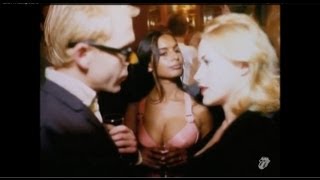
Gomez turn "Rhythm & Blues Alibi" into a knowingly exaggerated rap-video spoof. The band perform within a stylized, image-conscious setting that borrows the swagger, poses and visual language of late-1990s hip-hop promos, while the song itself undercuts the performance with an irreverent take on genre posturing. Rather than following a conventional story, the clip uses parody and self-conscious presentation to mirror the track's criticism of artists who hide behind borrowed influences and manufactured identities.
Factoids & Trivia
- The video was conceived as a rap-style parody modeled on the glossy hip-hop videos associated with Hype Williams, whose work at the time included promos for Busta Rhymes, TLC and Puff Daddy.
- Gomez described the song as a tongue-in-cheek parody of the way rhythm and blues was being used and marketed. The video extends that idea by imitating the visual conventions of the style it is questioning.
- The band members later characterized the song as self-referential. Its target is not only artists who wear their influences too visibly, but also Gomez themselves and their habit of moving between musical traditions.
- Ian Ball wrote the verse while he was at university. He sent it to Ben Ottewell by telephone, and Ottewell responded with the chorus a few minutes later.
- "Rhythm & Blues Alibi" was released as the second single from 1999's "Liquid Skin" on August 30, 1999. It reached number 18 on the UK singles chart, making it the album's highest-charting single.
- A "pre-mellotron" version appeared on one of the single releases and was later included on the band's "Five Men in a Hut: A's, B's & Rarities 1998-2004" collection.
- The video was included on "Five Men in a Hut: Singles 1998-2004," a 2006 DVD compiling Gomez's promotional videos from their early period.