Art Of Noise - Paranoimia
Music Video
| Artist | Art Of Noise |
| Song | Paranoimia |
| Album | The Best Of The Art Of Noise |
| Album | In Visible Silence |
| Director | Matt Forest |
| Genre | Electronica (Techno, Ambient, Jungle,...) |
| Intro | No |
| Outro | No |
| Sound Mix | Stereo |
| Technical Specifications | colour - format unknown |
Wiki
Synopsis
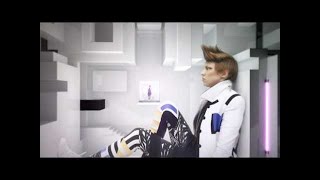
The video places Max Headroom at the center of a surreal electronic performance, mixing his jittering, glitch-like presence with footage of Art of Noise playing in a dark, futuristic setting. Max appears restless and disoriented, reacting to the pounding rhythms and fragmented vocal samples as if trapped inside a malfunctioning broadcast. The deliberately choppy editing, stark lighting, and video interference turn the song's mixture of paranoia and insomnia into a distinctly 1980s vision of media overload and machine-age anxiety.
Factoids & Trivia
- The better-known single version of "Paranoimia" added vocal samples and monologues performed by Matt Frewer as Max Headroom, the fictional television personality.
- The title combines "paranoia" and "insomnia." On the 7-inch version, Max talks about being frightened and unable to sleep.
- Frewer recorded different spoken parts for the 7-inch and 12-inch versions. The extended version presents Max as a fast-talking master of ceremonies, introducing imaginary band members through a series of puns.
- "Paranoimia" originated as an Art of Noise track on the 1986 album *In Visible Silence*. The Max Headroom collaboration was issued separately as a single and helped turn the song into one of the group's most recognizable releases.
- The promotional film was included on the 1986 *In Visible Silence* video release, a home-video program that also collected performances and visual pieces associated with the group.
- Max Headroom appears in the clip as a live-action character rather than a computer-generated creation. Frewer's performance used prosthetics, lighting, camera effects, and editing to create the illusion of a digital broadcast personality.
- The single reached No. 12 on the UK singles chart and No. 34 on the US Billboard Hot 100, giving Art of Noise one of its most visible pop successes.
- A separate Ben Liebrand remix, released in 1989, was promoted with a different music video.