Ani DiFranco - Joyful Girl
Music Video
| Artist | Ani DiFranco |
| Song | Joyful Girl |
| Director | Rob Howard |
| Genre | - |
| Intro | No |
| Outro | No |
| Production Company | 1171 Production Group |
| Label | Righteous Babe Records |
| Sound Mix | Stereo |
| Technical Specifications | colour - format unknown |
Wiki
Synopsis
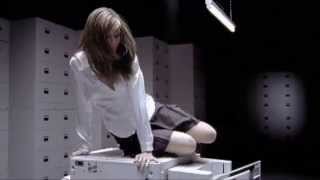
Ani DiFranco presents "Joyful Girl" as a stylized self-portrait built around contrast. Dressed in an evening gown and heavy makeup, she appears in carefully arranged, performance-oriented images that play against her fiercely independent persona. The video follows the song's movement from self-doubt and outside judgment toward confidence, purpose, and gratitude. Rather than telling a literal story, it frames DiFranco as both performer and subject, turning the song's affirmation of personal freedom into an expressive visual statement.
Factoids & Trivia
- Released in 1996, the video was DiFranco's first music video, despite her longstanding reservations about the medium's commercial associations.
- The clip uses a trip-hop remix rather than the original album recording. The remix was issued in several forms on the 1996 EP *More Joy, Less Shame*, including the "Danger and Uncertainty Mix" and "Peace and Love Mix."
- DiFranco's glamorous styling was deliberately at odds with the image many listeners associated with her acoustic, punk-folk persona. The evening gown and extensive makeup helped underline the tension between femininity, performance, and artistic independence.
- The video became one of DiFranco's earliest releases to receive airplay on MTV and M2, expanding her visibility beyond the college-radio and independent-music audience that had built her career.
- "Joyful Girl" closes the 1996 album *Dilate*. DiFranco has described the song as a point of redemption after the record's darker emotional journey, which gives the video its celebratory but hard-won tone.
- The song later received a high-profile cover from Dave Matthews, who recorded it with Soulive for the 2002 album *Next*.