Antony and The Johnsons - Cut the World
Music Video
| Artist | Antony and The Johnsons |
Wiki
Synopsis
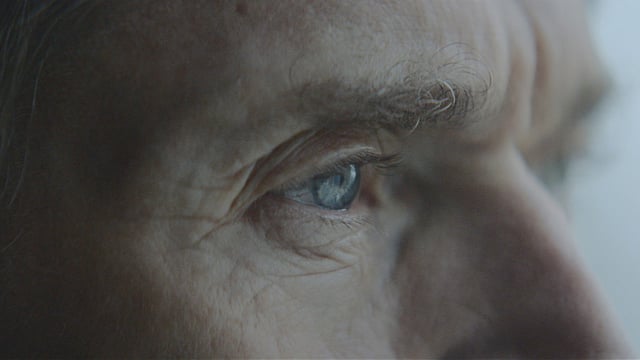
In a stark office, Willem Dafoe plays a businessman whose routine unfolds under an atmosphere of mounting unease. His secretary, portrayed by Carice van Houten, remains outwardly composed while a mysterious shift in the world seems to affect everyone around them. The tension culminates in a violent act that is staged with startling directness rather than stylized distance. As other women emerge and move through the building, Marina Abramovic appears as a watchful, enigmatic presence, leaving the aftermath open to interpretation.
Factoids & Trivia
- "Cut the World" was originally written for the stage work "The Life and Death of Marina Abramovic," which brought together Antony Hegarty, Marina Abramovic and Willem Dafoe.
- The song became the previously unreleased title track of the 2012 live album "Cut the World," recorded with symphonic accompaniment.
- The video's central act was designed to feel physically immediate. The production avoided slow motion and overtly poetic treatment in favor of a blunt, realistic movement.
- The blood effect was created practically. A manually operated system pumped the red liquid, and the crew had only a limited number of opportunities to capture the effect correctly.
- During the scene, van Houten's tears actually fell into Dafoe's eyes. Hegarty described this intimate exchange as essential to showing that the act was not motivated simply by rage.
- Hegarty said the video's starting idea involved a catastrophe in nature triggering a chain of human reactions, rather than characters making fully conscious decisions.
- Around 30 women from Amsterdam and the surrounding area appeared as extras. Their movement through the hallways expands the video's private confrontation into a larger image of collective action.
- Van Houten appeared after an unusual artistic exchange: she asked Hegarty to sing on her record, and he asked her to appear in the video.
- The video was produced for Pitchfork.tv and features a cast drawn from film, performance art and music, reflecting the broader theatrical origins of the song.