Stereolab - Miss Modular
Music Video
| Artist | Stereolab |
| Song | Miss Modular |
| Director | Trash 2000 |
| Intro | No |
| Outro | No |
| Sound Mix | Stereo |
| Technical Specifications | colour - format unknown |
Wiki
Synopsis
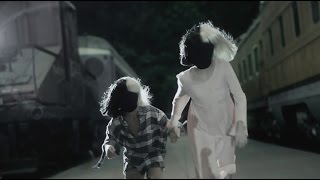
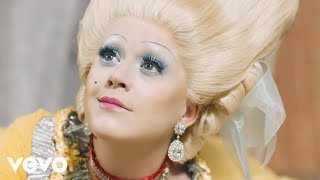
Stereolab's "Miss Modular" is presented as an abstract, collage-like visual companion rather than a conventional narrative. The clip favors repetition, stylized compositions, and a deliberately artificial atmosphere that mirrors the song's blend of lounge pop, electronic textures, looping rhythms, and bright melodic hooks. Its imagery feels carefully assembled and slightly unreal, echoing the track's interest in artifice and spectacle. Instead of following characters through a story, the video turns the song into a compact piece of retro-futurist audiovisual design.
Factoids & Trivia
- "Miss Modular" was released in 1997 as the lead single from Stereolab's album *Dots and Loops*. It reached No. 60 on the UK Singles Chart.
- The song was also issued as an EP, backed by "Allures," "Off-On," and "Spinal Column." The four tracks were later collected on *Oscillons from the Anti-Sun*.
- Stereolab's official notes describe "Miss Modular" as one of the tracks most shaped by the group's newly adopted computer-based recording process. The band used Pro Tools to build and rearrange loops from drums, bass, guitar, and other parts.
- The track was recorded partly at Idful Studios in Chicago, where Stereolab worked alongside members of Tortoise. John McEntire and Casey Rice were involved in the studio work, and the recording process helped push the song toward its tightly assembled, synthetic character.
- Mouse on Mars collaborated with Stereolab during the *Dots and Loops* sessions. Their influence is especially associated with the record's electronic and rhythmically intricate side.
- The song's lyrics draw on Situationist ideas about "the spectacle," linking pop music's visual appeal with commercial display and manufactured desire.
- "Miss Modular" belongs to a period when Stereolab were combining their familiar motorik and minimalist elements with jazz, easy-listening, Latin-pop, and studio-programming influences.
- The video was included among the Stereolab clips restored and uploaded to the band's official YouTube channel in 2019, helping preserve the group's distinctive 1990s visual archive.