David Bowie - Ashes To Ashes
Music Video
| 1980
| Artist | David Bowie |
| Song | Ashes To Ashes |
| Album | Scary Monsters |
| Director | David Mallet |
| Director | David Bowie |
| Director | David Bowie |
| Genre | Classic Rock |
| Intro | No |
| Outro | No |
| Label | RCA Records |
| Music Producer | David Mallet |
| Music Producer | David Bowie |
| Notes | This promo is one of the earliest music videos - even before MTV. |
| Sound Mix | Stereo |
| Talent | Special guest - Steve Strange |
| Technical Specifications | colour - format unknown |
| Release date |
Wiki
Synopsis
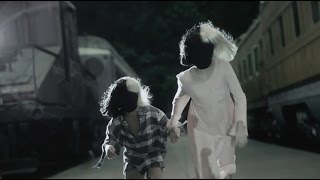
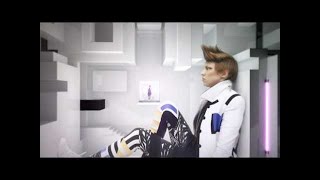
David Bowie appears as a mournful Pierrot wandering through a surreal seaside landscape, surrounded by starkly dressed figures and ominous industrial imagery. The video shifts between solarized beach scenes, high-contrast interiors, and fragmented images that echo the song's references to Major Tom, addiction, memory, and artistic rebirth. Its dreamlike procession feels part funeral, part theatrical pageant, presenting Bowie as both performer and ghostly observer of his own past. The result is an unsettling visual farewell to the characters and identities that defined his 1970s work.
Factoids & Trivia
- The promo was filmed in May 1980 over three days, with locations including Pett Level Beach, Beachy Head, and Hastings on England's Sussex coast. This was unusually long for a music-video shoot at the time.
- Reported production costs of around £250,000 made it the most expensive music video produced up to that point. Some Bowie reference works give a much lower figure of £25,000, so the exact budget remains disputed.
- Bowie prepared detailed storyboard drawings, planned the shots, and closely controlled the editing. Surviving sketches show how closely the finished video followed his original visual conception.
- The black sky and pink-toned sea are often credited to Quantel Paintbox processing. However, David Mallet later said the striking effect was discovered accidentally during live camera work, before the technology was generally available.
- Natasha Korniloff designed the Pierrot costume, which became the defining visual image of both the single and the *Scary Monsters (and Super Creeps)* album. It also drew on Bowie's earlier background in mime and theatrical performance.
- The procession includes Steve Strange, Judith Frankland, Darla-Jane Gilroy, and Elise Brazier, figures associated with London's Blitz club scene. Their appearance connected Bowie's earlier influence on youth style with the emerging New Romantic movement.
- The video helped establish the visual language of the early 1980s music video: stylized color treatment, rapid shifts between performance and narrative, fashion-led casting, and imagery that works more like an art film than a conventional performance clip. Its influence was strengthened by the arrival of MTV soon afterward.