Róisín Murphy - Ancora Tu
Music Video
| Artist | Róisín Murphy |
Wiki
Synopsis
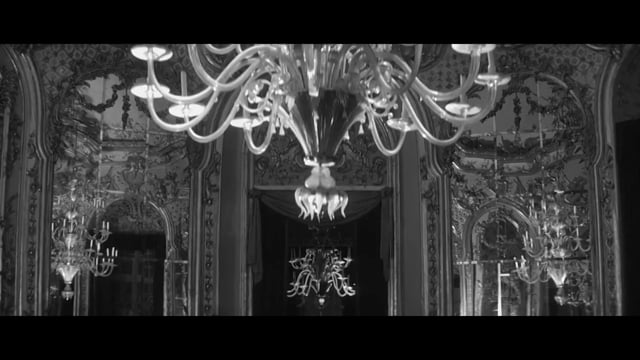
Roisin Murphy's "Ancora Tu" unfolds as a dreamlike collage of romantic uncertainty and cinematic deja vu. Rather than appearing herself, Murphy is represented through footage of a mysterious woman moving through ornate interiors, mirrored spaces and shadowy corridors. Glances, gestures and repeated images suggest a reunion that may be real, imagined or remembered. The video's cool, formal atmosphere turns the Italian love song into an enigmatic art-film encounter, balancing intimacy with emotional distance and a persistent sense that the past is circling back.
Factoids & Trivia
- The video is built from footage of Alain Resnais' 1961 film "Last Year at Marienbad," a landmark of European art cinema known for its uncertain chronology, repetition and blurred line between memory and reality.
- Murphy is not seen in newly filmed performance footage. Instead, an actress from the film becomes the visual focus, allowing the singer to inhabit the song indirectly.
- Its imagery includes mirrors, chandeliers, ceilings, corridors and highly composed interior shots, creating a strong homage to the visual language of the French New Wave and related European cinema.
- "Ancora Tu" is Murphy's Italian-language cover of Lucio Battisti's 1976 song. Her version appeared on the 2014 EP "Mi Senti," a project devoted largely to reinterpretations of classic Italian songs.
- The clip continues Murphy's interest in treating music videos as miniature films rather than conventional performance pieces. The song's story of an old lover returning is matched by footage concerned with recurrence, fragmented recollection and unresolved desire.
- The official video was released during the promotional campaign for "Mi Senti" in July 2014.