Robots Don't Sleep - Little White Lies
Music Video
| Artist | Robots Don't Sleep |
Wiki
Synopsis
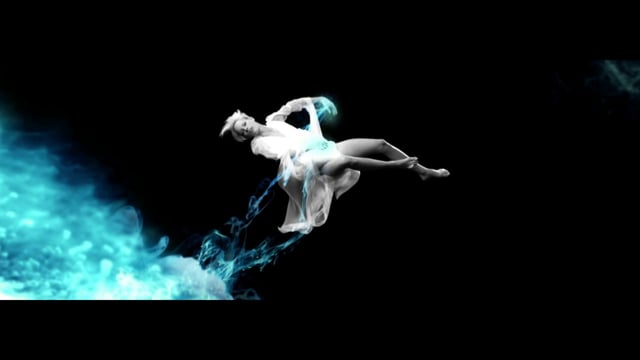
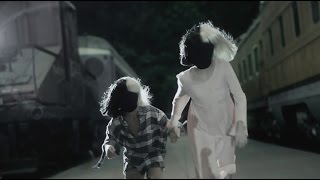
In a stark, dreamlike landscape, two strikingly contrasting figures move through darkness, water and empty space. One is concealed inside an imposing black costume, while the other appears exposed and vulnerable, creating an uneasy visual contrast between protection and openness. Their movements suggest a shifting relationship shaped by power, conformity and temptation. Slow-motion acrobatics, drifting fabric and nighttime lake imagery give the video an otherworldly, almost apocalyptic atmosphere, leaving the characters' connection deliberately mysterious.
Factoids & Trivia
- "Little White Lies" was the first release from Robots Don't Sleep, the collaboration between German producer Robot Koch and American vocalist John LaMonica.
- The video's characters were inspired by "Invisible Empire," a series of black-on-black photographs by Finnish artist Juha Arvid Helminen. Helminen also designed the dark outfits used in the production.
- The exposed character was originally written as a young man. Robot Koch suggested casting a woman instead, which changed the visual tension without altering the underlying coming-of-age concept.
- Medea Paffenholz was both an actress and an acrobat. Her dramatic falls were performed on a trampoline and filmed at very high frame rates.
- The floating silk costume was designed to make the fabric become an active part of the imagery during movement.
- Production lasted three days: two days at Blood Orange Studios in Berlin's Lichtenberg district and one day at a real lake in Berlin. The outdoor shoot took place in October, and the performers needed neoprene suits because of the cold water.
- Around 15 to 20 people worked on the shoot, followed by approximately four weeks of post-production.
- Blue was reportedly the only actual color retained in the original footage. The color grader instead pushed the material toward black and white to make the blue elements more striking and give the video an indie-film quality.
- The video emerged from an old-school creative pitch. The production team considered winning the project particularly significant because it was competing against a proposal from the established company Partizan.