Purity Ring - Fineshrine
Music Video
| Artist | Purity Ring |
Wiki
Synopsis
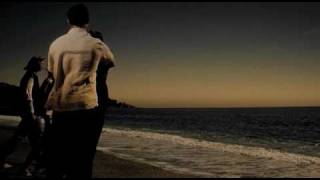
A woman awakens in an isolated, dreamlike landscape and discovers an injured man who appears to have survived a plane crash. As she tends to him, the setting shifts between misty wilderness, bodies of water and vast skies, while ominous images of falling aircraft and dissolving forms blur reality. The apparent rescue gradually becomes more disturbing, culminating in a reversal that suggests the wounded figure, the crash and the entire encounter may belong to the woman's own nightmare.
Factoids & Trivia
- The video was released on July 11, 2012, shortly before Purity Ring's debut album, "Shrines," arrived in the United States and Canada on July 24.
- "Fineshrine" was the second video released in support of "Shrines," following the clip for "Belispeak."
- The production was handled by Stray Angel Films. The credited crew included producer Ari Lubet, art director Jordan Harkins and cinematographer Tom Banks.
- Ingrid Schram appears in the video as the central performer.
- The visual effects include a digitally animated airplane, cloudscape matte paintings and liquid effects. The effects work involved Nuke, Photoshop, Maya and After Effects.
- The video's surreal combination of romance, injury, wilderness and dream logic drew comparisons to films including "The English Patient," "Martha Marcy May Marlene" and the adventure game "Myst."
- The clip's imagery echoes the song's fascination with intimacy expressed through unsettling bodily imagery. Rather than illustrating the lyrics literally, it turns their romantic and violent tension into an oneiric story.
- Corin Roddick said that "Fineshrine" was written while Purity Ring were touring in Europe. He produced and mixed most of "Shrines" himself, including the track.
- The song and video helped establish the early Purity Ring aesthetic: sweet, weightless vocals set against dark electronic production and imagery that makes tenderness feel physically dangerous.