Spandau Ballet - Only When You Leave
Music Video
| 1984
| Artist | Spandau Ballet |
| Song | Only When You Leave |
| Album | Parade |
| Director | Simon Milne |
| Intro | No |
| Outro | No |
| Label | Chrysalis |
| Sound Mix | Stereo |
| Technical Specifications | colour - format unknown |
Wiki
Synopsis
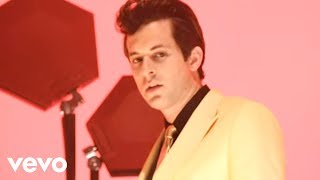
Spandau Ballet perform against a stark pink backdrop while a surreal romantic drama unfolds around Tony Hadley and a mysterious woman. Their relationship is depicted through dreamlike images of attraction, betrayal and apparent murder, with scenes repeatedly shifting between reality and theatrical illusion. A tennis audience, a harlequin doll, a vintage car and sudden changes in color add to the filmic atmosphere. The video closes by reversing the central shooting tableau, reinforcing the song's theme of love, revenge and emotional danger.
Factoids & Trivia
- The entire video was filmed on a sound stage in Battersea, using very little set decoration. The deliberately artificial environment gives the clip the feel of a minimalist studio film rather than a conventional location shoot.
- The video's visual language pays tribute to Alfred Hitchcock, whose films often combined romance, suspense, murder and revenge. Several images are designed as suggestive fragments rather than a complete, logically explained story.
- A Hitchcock look-alike carrying a bass fiddle crosses in front of the band. This is a visual reference to Hitchcock's cameo in "Strangers on a Train" (1951), where he is seen carrying a double bass.
- The bleachers serve several purposes: they provide a performance platform, represent the seating for an unseen tennis match, and become stairs for other scenes.
- Pink is the dominant color throughout the clip. The color also changes as part of the drama: the woman's clothing and a 1949 MG shift from dark pink to white when Hadley touches her shoulder.
- A boy dressed in white plays with a harlequin doll on the bleachers. After a cigar-smoking man steps on the doll, the boy's clothing changes to dark pink.
- Gary Kemp normally played a major role in developing the concepts and storylines for Spandau Ballet's videos. Because the band had just completed the "Parade" album and was working under a tight schedule, he handed control of this video to an outside creative team.
- The harlequin imagery connected with the wider "Parade" visual identity. The figure was intended to replace the dove motif associated with the previous album, "True."
- The video version of "Only When You Leave" runs approximately 4 minutes and 35 seconds, shorter than both the single and album versions.
- The video was listed in MTV's rotation reports in July 1984, shortly after the song's release as the lead single from "Parade."