Synopsis
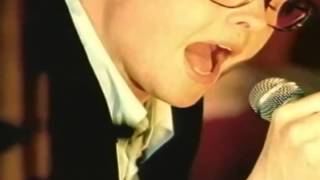
Set at a lively Washington Heights block party, the video places two versions of Lauryn Hill in parallel worlds. On one side, a 1967 Hill performs in retro styling, surrounded by classic cars, neighborhood spectators, and doo-wop-era atmosphere. On the other, the 1998 Hill delivers the song through contemporary hip-hop imagery and fashion. The split-screen structure connects both eras, emphasizing that the song's warnings about relationships, self-worth, sex, and money remain relevant across generations.
Factoids & Trivia
- The video was filmed in Manhattan's Washington Heights neighborhood, giving its street-party setting a genuine New York backdrop.
- The split-screen design contrasts 1967 and 1998 throughout the performance. The older setting draws on classic R&B and doo-wop imagery, while the modern side reflects the hip-hop culture of Hill's breakthrough solo period.
- Hill appears twice in the same visual space, allowing the video to present her as both a contemporary hip-hop artist and a performer connected to earlier Black popular-music traditions.
- At the 1999 MTV Video Music Awards, the video won four awards: Video of the Year, Best Female Video, Best R&B Video, and Best Art Direction.
- Its Video of the Year win made it the first hip-hop video to receive MTV's top award. Hill also became the first solo Black artist to win in that category.
- The video was also recognized at the Soul Train Music Awards, where it received the Michael Jackson Award for Best R&B/Soul or Rap Music Video.
- "Doo Wop (That Thing)" became Hill's first and only solo No. 1 hit on the Billboard Hot 100, making the video a central part of her immediate solo breakthrough.