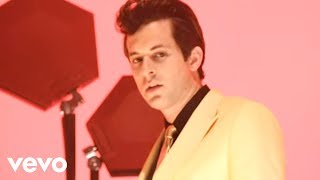
Pulp - This Is Hardcore
Music Video
| Artist | Pulp |
| Song | This Is Hardcore |
| Director | Doug Nichol |
| Genre | Pop |
| Intro | No |
| Outro | No |
| Sound Mix | Stereo |
| Technical Specifications | colour - format unknown |
| Video Stream URL | viva3705 |
Wiki
Synopsis
Presented as fragments from a forgotten 1950s Hollywood production, the video follows Pulp through a series of lavishly staged film scenes, including melodrama, noir, studio glamour and a large musical finale. Jarvis Cocker appears as a detached, increasingly disheveled leading man, while the band members surface among performers, props and backstage imagery. The polished surfaces and smiling dancers gradually take on a darker, more artificial quality, turning the clip into a surreal portrait of fame, desire and cinematic decay.
Factoids & Trivia
- The video's fictional premise centers on archivists reconstructing an unfinished 1957 film called "This Is Hardcore," using surviving reels, screen tests and production material.
- It was filmed at Pinewood Studios in London, helping the production achieve its convincing old-Hollywood atmosphere.
- The visual concept was inspired in part by *Still Life*, a 1983 book edited by Diane Keaton and Marvin Heiferman that collects photographs of Hollywood film stills and publicity images.
- Several shots deliberately reproduce the composition of specific vintage film stills, replacing the original actors with Pulp members and the video's performers.
- The imagery draws on several contrasting traditions of classic cinema, including film noir, melodrama and the geometric spectacle of Busby Berkeley musicals.
- The closing dance sequence, with Cocker surrounded by feather-waving performers, became the video's most widely recognized image and emphasizes the contrast between glamorous presentation and emotional exhaustion.
- A censored edit was prepared for television and promotional distribution. Within Pulp's own video materials, it was informally referred to as the "kids version."
- The video was included on Pulp's *Hits* DVD in 2002.
- It received lasting critical recognition, including a place on Pitchfork's list of the best music videos of the 1990s and an NME ranking among the greatest videos ever made.